
What Manx consumers can do amid fallout from Middle East conflict
The ongoing conflict in the Middle East has brought about a significant rise in the price of oil with the inevitable knock-on effect on the cost of so many things we rely on in our daily lives - not least fuel for our cars and homes.
The Isle of Man is not immune from the fall out from the war and both government and local businesses are keeping a close eye on developments.
Manx Radio has been looking at the issues raised by soaring oil prices, with the help of the UK and Ireland Fuel Distribution Association.
As background, the Association is closely monitoring the situation in the Middle-East and the impact of global tensions on heating oil prices.
Whenever there's unrest in the Middle-East the first inevitable consequence tends to be a spike in the price of oil.
Crude oil has risen sharply in recent days. However, the main market driver of heating oil in the British Isles is the wholesale price of jet fuel which is traded on the European market. This is because jet fuel and heating oil are kerosene based.
The wholesale price of jet fuel has more than doubled, representing a three-and-a-half-year peak.
This brings us to the issue of European Dependency on Jet Fuel Imports.
The price increase in jet fuel can be partly explained by Europe’s and the UK’s dependency on imports of this fuel from countries in the Middle East. At least 40% of Europe’s jet fuel came from the Middle East in 2025 via the Strait of Hormuz, which is currently blocked.
This has resulted in a rapid rise in wholesale prices, which, in turn, has increased the price distributors pay for heating oil and, consequently, raised prices for customers.
Heating oil is supplied very differently from gas and electricity, and these differences help explain why heating oil prices can change quickly both up and down. Instead of a few national suppliers, the market is made up of many local, often family-owned distributors, each operating with limited storage and buying fuel at the daily market price.
This creates strong competition and in normal times helps keep prices lower. After the Ukraine conflict, heating oil prices returned to pre-crisis levels much more quickly than those of many other commodities.
There are no long-term contracts, so oil heated households can shop around, but this also means distributors can't precisely predict demand in the same way as gas and electricity companies. When demand rises suddenly or wholesale prices shift, delivery times and pricing can be affected.
Most distributors have little or no storage. Many in the UK and Ireland hold no more than two days of supply. In the Isle of Man both Manx Petroleums and EVF, as the largest distributors, hold considerably more. Small scale distributors in the UK often collect fuel from refineries or terminals at the market price almost daily. In effect, they are price takers.
At a time of year when demand usually falls, many UK households have been placing orders because of the crisis in the Middle East. This has created higher than usual demand, which is affecting delivery times. With the ongoing impact of the crisis and the resulting changes in wholesale prices, many distributors are now providing prices closer to the delivery date.
So, what can we do as consumers?
If your tank is running low, order as normal. Some people may be tempted to ask for smaller deliveries, but be aware that more frequent deliveries may increase your overall cost.
So, for the time being volatility in the price of oil will likely continue, but, should the conflict end soon, history suggests there's room for optimism the oil market could return to some degree of normality fairly quickly.
 Election 2026: Will housing still be an issue on the doorstep?
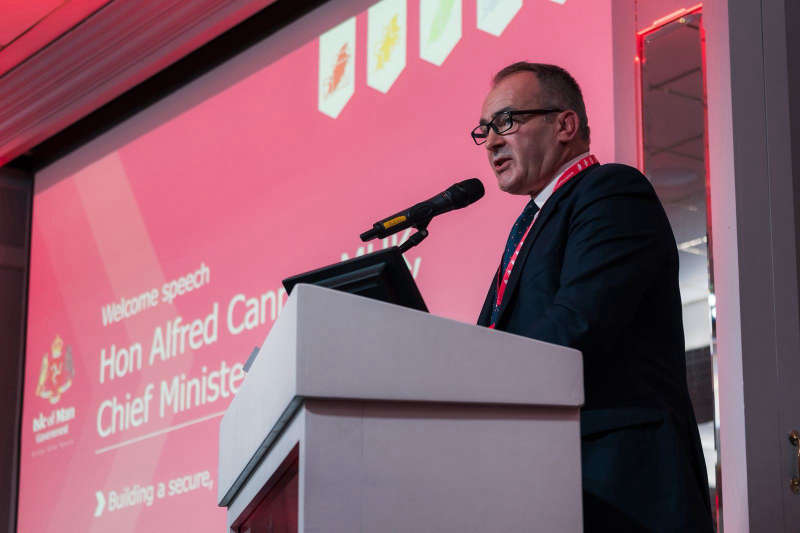 Chief Minister outlines concerns while conflict continues in Middle East
 New ten-year sport strategy for Isle of Man launched
 Isle of Man Sports Awards 2025: Here's what the winners had to say
 Treasury minister defends final budget of Cannan administration
