
Isle of Man Energy raises concerns over proposed legislation to overhaul regulation of Island’s gas sector
Responses to a consultation on the Draft Gas (Economic Regulation) Bill, which would introduce a new licensing-based regulatory framework for gas on the Isle of Man have been published.
The consultation, which was led by the Communications and Utilities Regulatory Authority (CURA), focused on the provisions of the draft legislation rather than the wider policy principles behind it.
However, the most substantial submission from the Island’s monopoly gas provider Isle of Man Energy argues that the Bill’s objectives and necessity have not been clearly set out, making it difficult to assess whether the proposed measures are justified.
The draft Bill forms part of longer-term efforts to formalise and modernise regulation of the gas sector, moving it onto a statutory licensing regime similar to those used in other utility markets.
Existing gas regulation is largely centred on tariff controls, with more limited powers relating ot service standards and enforcement.
In recent years, Tynwald committees and the regulator have referred to the potential need for more comprehensive oversight of gas supply, including stronger consumer protections and clearer regulatory tools.
The issue came into the spotlight following customer billing problems experienced by Isle of Man Energy in 2023, which led to an increase in complaints and political scrutiny.
The regulator has previously indicated that a licensing framework would allow for clearer obligations on suppliers, more consistent service standards, and a more structured approach to enforcement.
In its consultation response, Isle of Man Energy accepts that billing problems occurred but claims they were linked to the introduction of a new billing system, were non-recurring, and have since been resolved.
It points to a significant reduction in customer complaints and believes the consultation documents do not identify any ongoing consumer detriment that would require legislation of this scale.
Isle of Man Energy complaints (2023-2025)
The company argues that while regulation in principle is not opposed, the consultation does not clearly explain what deficiencies in the current framework remain, or what specific outcomes the Bill is intended to deliver.
A key concern raised in the response is the breadth of powers that would be granted to the regulator under the Bill.
These powers include the ability to impose criminal sanctions for breaches of licence conditions, conduct extensive investigations, issue binding directions, levy financial penalties of up to 10 percent of turnover, and suspend or revoke licences.
Isle of Man Energy insists that these powers would go beyond those current exercised in other regulated sectors and would shift significant authority from elected bodies to an unelected regulator.
It also notes that the Bill is intended to be introduced to Tynwald by the Chair of CURA, rather than a government minister, which it describes as unusual.
The submission also raises concerns about the absence of a dedicated appeals mechanism. Under the draft Bill, regulatory decisions would not be subject to review by an independent tribunal, instead relying on a Doleance petition to the High Court.
Isle of Man Energy compares this with arrangements in other regulated sectors on the Island, where tribunal systems allow for merits-based reviews of regulatory decisions, and believes that such oversight is particularly important given the scope of the powers proposed.
Further issues highlighted include uncertainty over the future approach to gas tariff regulation, the inclusion of a statutory objective to promote competition in gas supply, and provisions allowing for fixed-term licences and licence auctions.
It says previous consultation documents suggested competition would not be pursued in the gas market unless wider energy markets were regulated, and says the inclusion of such an objective in the Bill has not been clearly explained.
Although Isle of Man Energy is critical of the draft legislation, it claims to support appropriate regulation of the gas sector and the introduction of a licencing regime in principle.
It concludes by calling for clearer policy objectives, a more detailed regulatory impact assessment, stronger procedural safeguards, and the introduction of an independent appeals process.
 Redundancies at Hospice as charity faces 'increasing' financial difficulties
 Manx Care: "We're working with Hospice to understand impact on services"
 Peel Town Commissioners stands by claim that no vote took place over beach stage
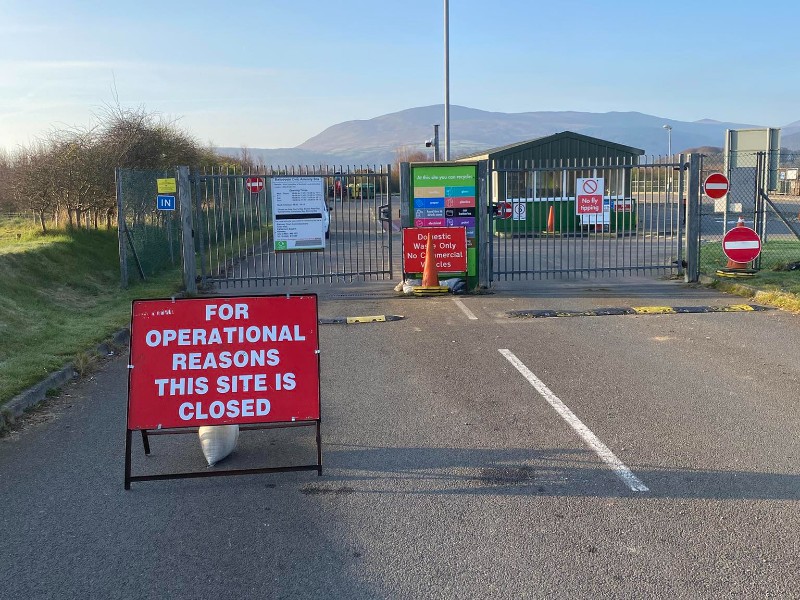 Anger in Bride over proposed civic amenity site charges
