
Restaurant, food and education costs continue to rise
Inflation on the Isle of Man eased last month with the overall rate of price increases slowing to 2.9 percent according to the latest figures from Statistics Isle of Man.
That represents a drop of 0.6 percent compared with February.
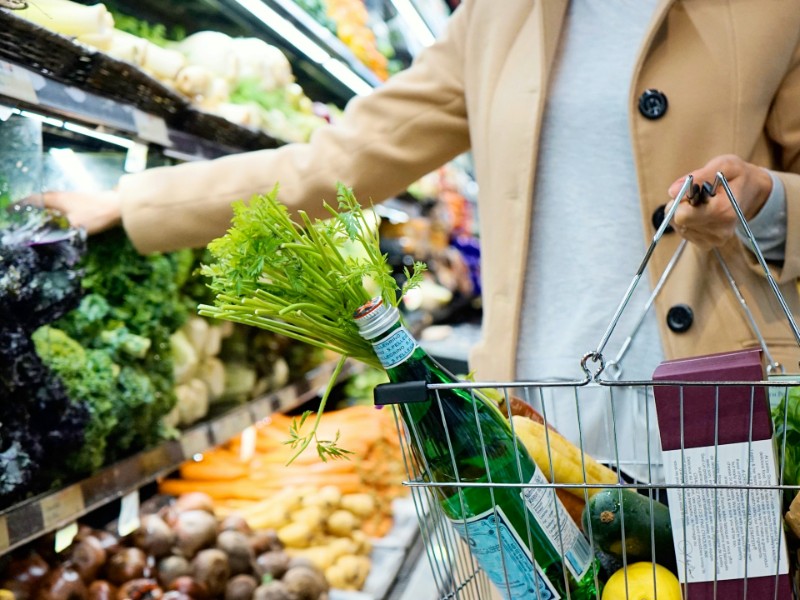
Inflation is a measure of how much prices have increased over time across a typical 'basket' of everyday goods and services - including food, housing, transport and leisure.
The biggest increases over the past year were seen in restaurants and hotels, where prices are up 7.9 percent.
Within that category eating out has been a key driver with catering costs rising by nearly nine percent.
Food prices also remain a significant contributor with food and non-alcoholic beverages up 4.9 percent overall.
Some individual items have risen sharply, including:
- Coffee and other hot drinks: up 12.7 percent
- Sweets and chocolates: up 12.1 percent
- Beef: up 11.3 percent
- Cheese: up 11.2 percent
Education costs have also increased by 4.9 percent with private school fees rising by around nine percent.
Meanwhile alcohol and tobacco prices are up 4.7 percent over the year.
However not all costs are rising.
Some categories have seen prices come down helping to offset overall inflation.
Fuel-related costs have fallen, with petrol and oil down by around two percent, and other fuels also declining.
However these figures won't be taking into account global tensions that have arisen between the United States and Iran.
Other decreases include:
- Soft drinks: down 5.1 percent
- Beer bought in shops: down 2.9 percent
- Furniture: down 1.8 percent
Overall the category covering miscellaneous goods and services - which includes items like personal care - fell by 0.8 percent.
Looking just at the change from February to March, prices actually fell slightly overall by 0.3 percent.
However, there were some sharp movements beneath the surface - particularly in transport, which saw a notable monthly increase of 15.6 percent.
Despite the recent slowdown, the figures indicate that key everyday costs - particularly food, eating out and education - are still rising faster than the overall average, meaning many households may continue to feel pressure on their finances, particularly with the uncertainty over fuel prices as the US-Iran conflict continues.
 Steam Packet reports rise in passengers and profit
 More than 200 property sales complete in September
 Tribunal rejects sexual discrimination claim
 Trader frustrated with bank over withdrawal of cash deposit facility
