Members want to see clear detailed priorities
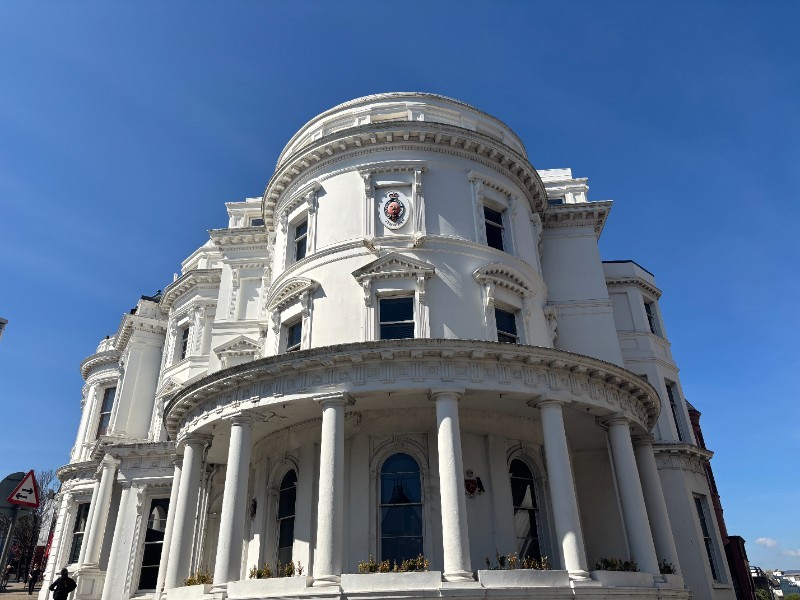
Tynwald has received the government’s Charter for Change, a high-level set of priorities that ministers say will be turned into a more detailed action plan in January.
Members broadly supported its direction, but repeatedly warned that aspirations must be matched by clear commitments, costs and accountability.
Ard- Shirveishagh Chris Thomas said the charter was intended to focus government on a limited number of areas where it could make a difference, rather than list everything government does.
Its eight priorities include economic growth, skills and jobs, housing, healthcare, infrastructure and a more effective public service.
“We should be judged by what changes, not by how many strategies or reviews we produce,” Mr Thomas said.
He said the January plan would set out practical actions, clear ownership and measures of progress.
Kirrie Jenkins, who challenged Mr Thomas for the top job, said public finances would determine whether the wider ambitions could be achieved. She called for the January plans to show the expected costs, how priorities would be funded and what savings were anticipated.
“In the past, we have had mandate politics, manifesto politics, programme politics, and working together politics. I think we have probably exhausted the terminology.
“What we need now is delivery politics,” she said.
Ms Jenkins also urged ministers to identify which government activities could be reduced or stopped, and to distinguish genuine savings from costs shifted to another department or local authorities.
She said the Island could not rely indefinitely on economic growth, higher taxation or reserves to meet rising demand.
Former chief minister Alfred Cannan said the charter’s ambitions were familiar, and warned that changing the title of a government document would not, by itself, change government performance.
“Delivering the fundamentals and changes of government are often a lot harder than producing manifestos,” he said.
Mr Cannan called for a clearer account of the Island’s underlying challenges, including demographics, the cost of living and the need for workers. He said the government should be prepared to discuss difficult issues such as migration and population planning.
He also cautioned that the public would need a way to judge whether quality of life had improved. “If you’re really going to measure that, you need to have something to indicate that that is something that’s been realised,” he said.
Several members called for regular public reporting, rather than waiting for annual reviews.
Gary Clueit MLC proposed quarterly updates showing progress, spending and delays, while retaining the original targets when deadlines change.
He said reports should explain problems candidly, rather than rely on reassuring language or simple red, amber and green ratings.
The debate also focused on what the government might stop doing to make room for its priorities.
Peter Shimmin asked whether departmental budget submissions would be revisited to reflect the charter. David Ashford stressed that receiving the document should not be treated as advance approval of the policies that follow.
Concerns were raised about issues members said were not explicit priorities, including food and energy security, poverty, inequality, population and migration.
Mr Thomas said priorities could change and acknowledged that the January work needed to explain how different plans and timeframes would fit together.
Housing drew particular attention. Mr Thomas clarified that the national housing plan was expected in March or April, rather than a year from then.
Housing Minister Rob Callister said work was already under way on homelessness, brownfield sites, supply and affordability, and that the plan needed to address the housing system as a whole.
Health Minister Claire Christian said waiting-list priorities would be based on clinical risk, not simply on which list was longest.
She argued that infrastructure, staffing and finances also affected health outcomes, and pointed to a shoulder surgery service recently established at Noble’s Hospital, which she said could spare about 50 patients a year from travelling off-Island for shoulder operations.
The motion to receive the charter passed, with no votes against in either chamber.
Mr Thomas said the January plan would include actions, owners, timescales, measures and reporting arrangements.
 Big Manx Feast or Big Manx Flop?
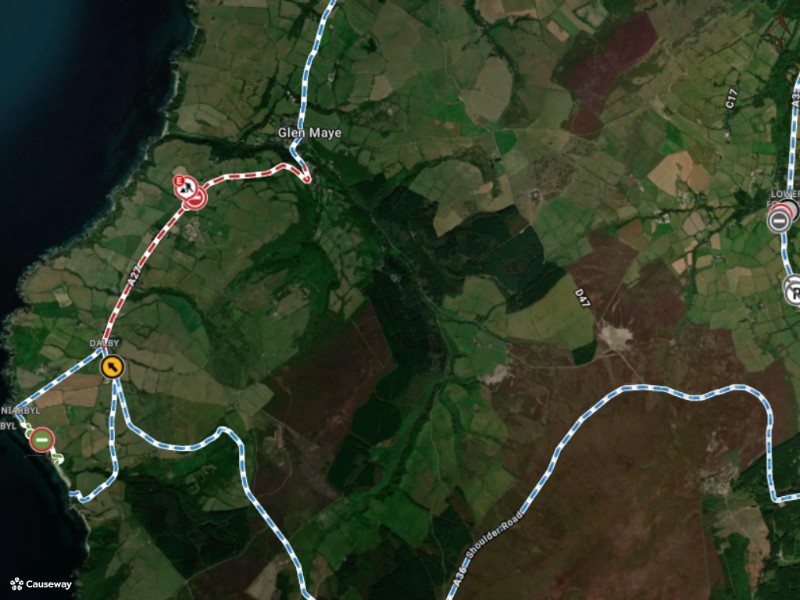 Sinkhole road closure extended until next month
 Company behind Mooir Vannin plans wins Prince William’s Earthshot Prize
 Government will not release school report
