
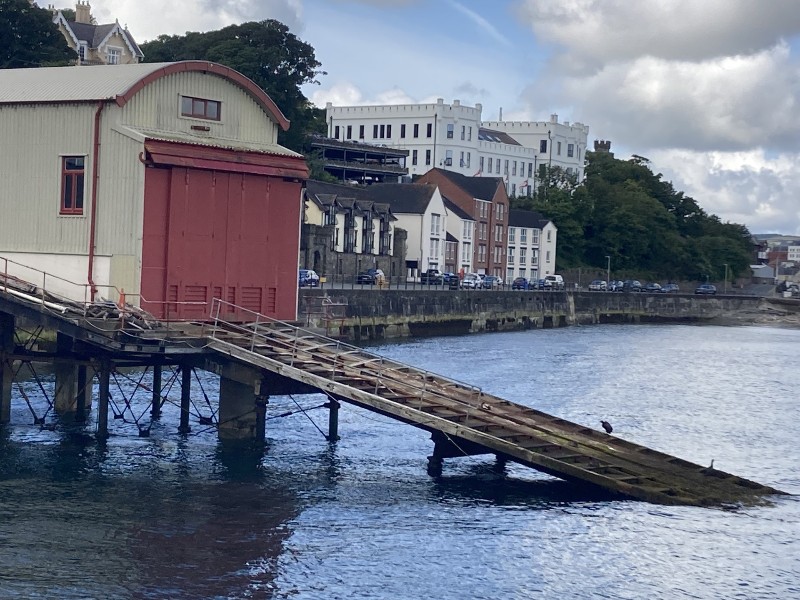
Port St Mary is to lose one of its lifeboats in the next two years
Douglas Lifeboat Station will receive a new coastal lifeboat.
The RNLI has confirmed that works are ongoing to identify shore works solutions, with the allocation of the asset now finalised.
However it's also announced that Port St Mary station is to lose one of its lifeboats.
A decision has been made not to replace the current Trent class lifeboat which is reaching the end of operational life.
Instead the station will continue operations with its D-class lifeboat with support from other stations on the Island.
THE RNLI said the new Coastal Class will 'enhance operational capability, introduce digital systems and support a more sustainable, cost-effective operating model aligned with today’s lifesaving service'.
It will be optimised for operations within 0 to 10 nautical miles offshore while remaining capable of operating up to 25 nautical miles offshore.
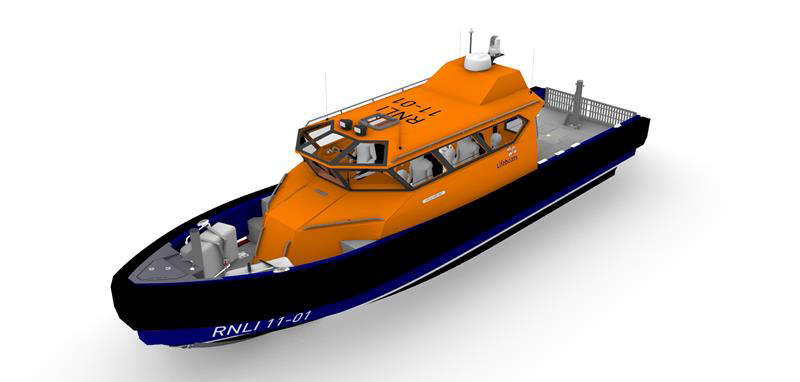
Concepts design of what the new Coastal Lifeboat supplied by Zodiac could look like
A spokesperson said: "Compelling data, provided by RNLI lifeboat crews, lifeguards and partners, and compiled over many years, shows that the majority of incidents the charity’s lifeboats respond to are now within the operational capabilities of an inshore lifeboat.
"Between 2017-2024 98 percent of the RNLI’s lifeboat response was within 10 nautical miles of the shore, 1.8 percent was between 10 and 25 nautical miles and just 0.2 percent of incidents were at a range greater than 25 nautical miles offshore.
"RNLI lifeboats responded to 9,058 operational services in 2025, over three and half times what was expected of us 50 years ago."
The RNLI’s lifeboat fleet strategy is designed to ensure that the charity has the most appropriate lifeboats in the right places which will save the greatest number of lives in the most effective way while keeping people safe.
The second phase of changes, which will take effect between 2028-2030, have been outlined in the strategy and the affected lifeboat stations have been informed.
Twenty-four lifeboat stations, out of the 238 which operate around the UK and Ireland, will undergo a lifeboat capability change in this period.
It will see the modernisation of the charity’s lifeboat fleet through the gradual exit of the Trent class All Weather Lifeboat, which first entered service in 1994, by the end of 2028.
Peter Sparkes, RNLI Chief Executive, said: "The RNLI has constantly evolved and improved our service over 202 years.
"We make evidence-based decisions and strive to ensure that we have the right lifeboats in the right places, at the right time to save as many lives as possible around the coast of the UK and Ireland and, crucially, to enable us to bring our selfless, dedicated people home safely.
"We are responding to the changing nature of lifesaving at sea by adapting our service to ensure it is fit for our nations' future needs.
"What will never change is our charity’s purpose, to save lives at sea and our mission, to save everyone."
The future of Douglas Lifeboat Station has been unclear for some time, you can find out more here:
'Prayers answered' as Douglas RNLI eyes new base and new lifeboat - Manx Radio
 Yellow weather warning for coastal overtopping
 Plans approved for 'The Wing'
 Police appeal for video footage after 'significant' blaze
 Sergeant who breached GDPR law sacked following misconduct hearing
