


Report shows early-career exodus persists while young families and health sector workers bolster numbers
The Isle of Man’s estimated resident population has reached 84,975 at the end of the first quarter of 2025, according to new figures published by Statistics Isle of Man, marking the highest population the Island has seen since records began.
This marks an increase of 452 people on 2024’s estimates of 84,523, as previously reported.
The most recent year-end figure for 2024 stood at 84,756, meaning the population rose 219 in Q1 2025.
The report draws heavily on income tax return records to track arrivals and departures since the 2021 Census, while also estimating residents who have left but have yet to inform tax authorities.
Officials caution that figures are ‘experimental’ and replace all previous population estimates due to ongoing revisions and data-lag corrections.
A total of 8,065 inward migrants are estimated to have settled between 2021 and Q1 2025, compared with 5,838 estimated to have left over the same period.
Annual inflows between 2022 and 2024 remained largely consistent at around 2,200 each year, while 2022 recorded the highest estimated outflow at 1,697.
Contrary to public perception that migration is dominated by those nearing retirement, the report finds new and returning residents are younger on average than the population was at the 2021 Census.
The average age of arriving migrants is 40-years, compared to 44 for the population as a whole in 2021. More than half were under 40 on arrival, while 75 percent were under 50. Only 11 percent were over the age of 60.
The most notable migration losses continue to fall among young adults, particularly those aged 20-24 with a net decrease of 41 in 2024 - though an improvement on a net loss of 127 in 2022.
The report suggests early-career progression, graduate job placements, and student relocations for UK employment as likely contributing factors.
Working-age adults between 25 and 44 now form the strongest net-gain category led by ages 30 to 34, which recorded a net increase of 146 in 2024. School-age children make up around a quarter of population growth since 2021, according to separate school roll data, though they are excluded from internal postcode migration totals.
Inward migration employment remains concentrated in a small number of economic sectors. The medical and health services workforce accounts for 18 percent of arrivals in 2024, followed by catering and entertainment at eight percent, retail roles at four percent, and education posts a three percent.
Geographically, arrivals are clustered in only five postcode regions. The IM1 and IM2 areas - covering Douglas - accounts for 44 percent of inward migrants in 2024.
The IM9 region, incorporating Port St Mary, Port Erin, Castletown, and Ballasalla, accounted for 19 percent.
Officials attribute much of this clustering to housing supply and recent development, particularly in the south.
The Island continues to record more deaths than births, moderating migration-led growth. In 2024, 575 births and 925 deaths produced a natural population decrease of 351 people.
Q1 2025 recorded a natural decrease of 80 people, based on 137 births and 217 deaths - described in the report as provisional and highly susceptible to revision.
The report concludes that demographic growth is steady but not yet trend-certain for 2025, and highlights a consistent pattern: migration fuelled expansion among working-age adults and families, offset by natural decline and a persistent early-20s net outflow.
 More services to be temporarily relocated from Ramsey and District Cottage Hospital
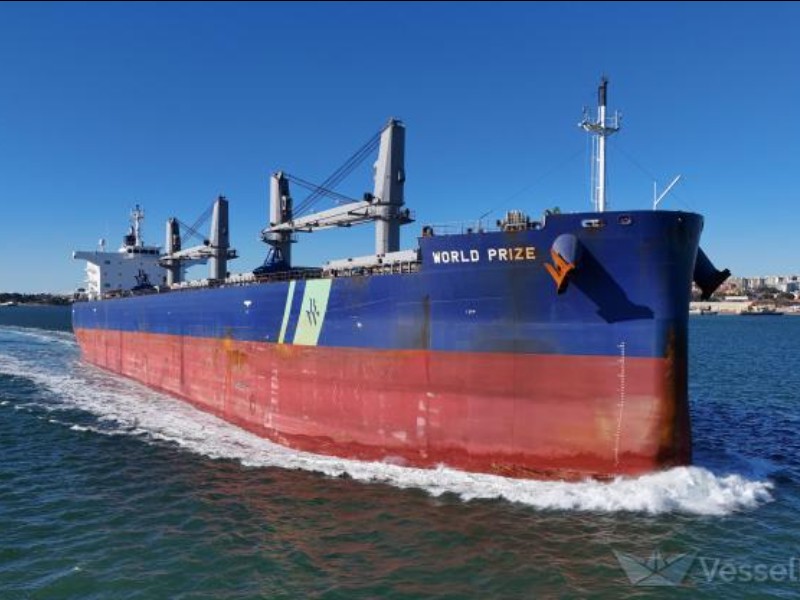 MAIB investigation into fatality aboard Manx registered bulk carrier
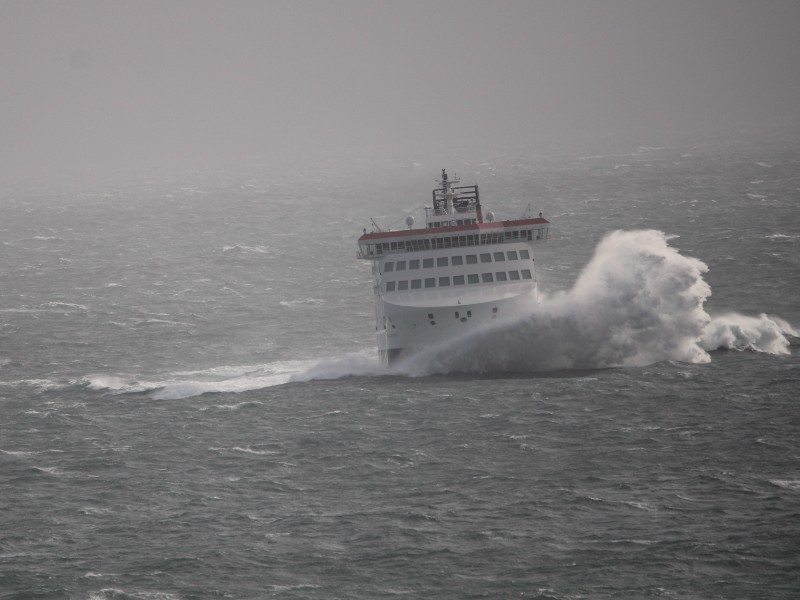 Friday evening sailings subject to possible disruption or cancellation
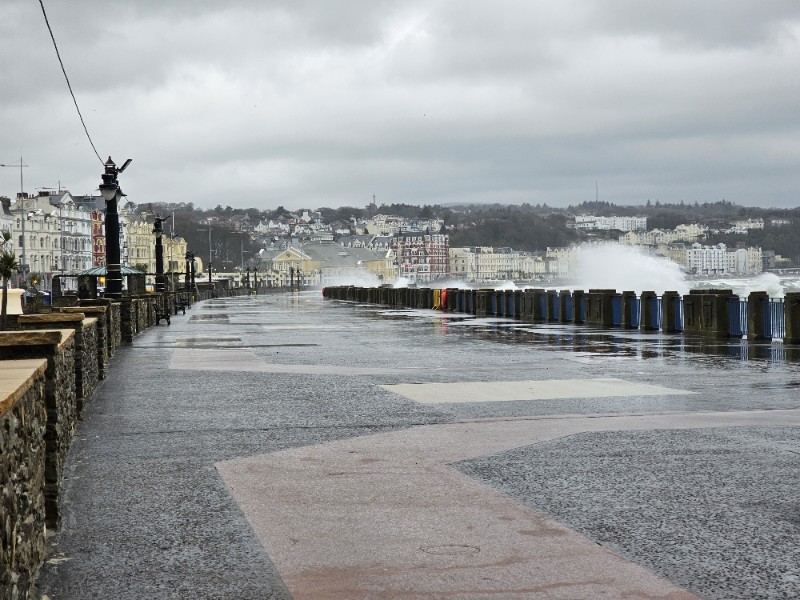 Warning in place for coastal overtopping
